Featured
industries

AI and custom software look different in every industry. The tools worth building, and the risks worth planning for, both come from the same source: what your industry actually runs on. Explore what's possible for yours.



Automotive runs on data spread across dealers, manufacturers, and suppliers who rarely share the same systems. Real-time platforms that pull it into one place turn that fragmentation into a genuine advantage.


Aviation and aerospace organizations manage dense technical documentation and compliance tracking at a scale that rewards real automation: systems that keep pace with regulatory and program requirements instead of falling behind them.

Construction runs on numbers that have to be right before the work starts: takeoffs, bids, job costs, change orders. Custom platforms can put all of it in one system that follows a job from the first number quoted to the last invoice paid, and AI can now read a blueprint and count what is on it.

AI can take real work off administrative teams' plates: automated reporting, faster knowledge retrieval for staff, and systems that respect student data rules by design instead of by exception.

Energy and utility operations generate constant operational and compliance data. AI and custom platforms can turn that into monitoring, forecasting, and reporting that keeps pace with a live grid instead of trailing behind it.

AI is changing how claims get reviewed, how deals get assessed, and how fast a customer question gets answered: automated deal and document review, faster claims workflows, and customer service that keeps a full audit trail without slowing down.

AI and custom platforms can carry the work government is measured by, in ways that actually hold up to public-sector scrutiny: emergency management and family reunification, constituent services, records modernization, and compliance reporting, built for accreditation from day one rather than retrofitted for it later.

AI can meaningfully cut the administrative load on clinical teams: automated intake and scheduling, faster document and knowledge retrieval across clinical systems, and claims workflows that move without a person chasing every step.

AI can accelerate document drafting, contract analysis, and knowledge retrieval across case files and prior work product: real time saved on the work that eats the most hours in a legal practice.
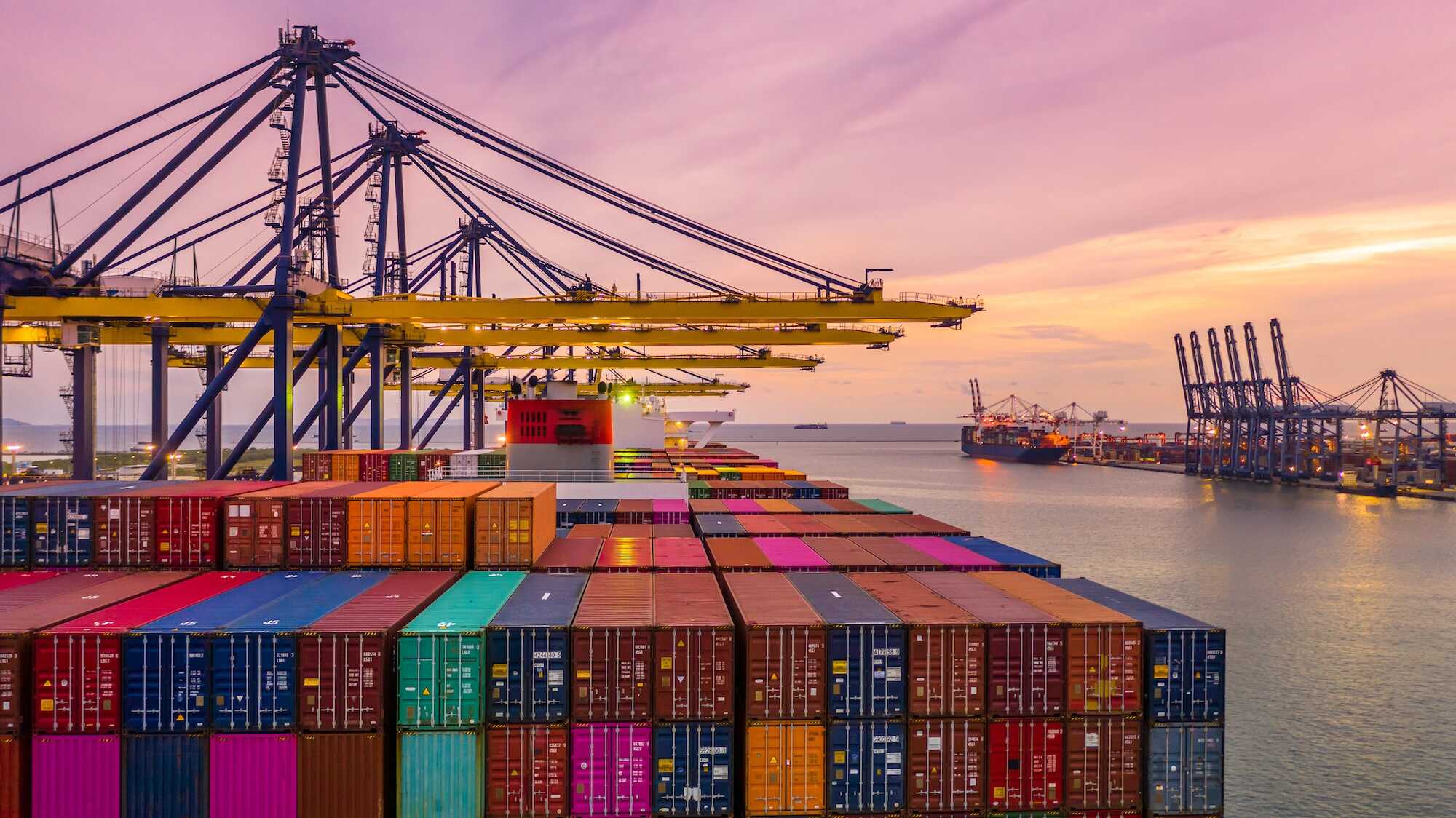
Logistics runs on data that changes by the minute: dispatch, driver location, order status. Platforms that keep everyone from dispatcher to customer looking at the same accurate picture turn that constant motion into an advantage.

AI and custom platforms can turn production data most manufacturers already have (ERPs, PLC and SCADA machine data, IoT sensor feeds, quality records) into dashboards and workflows that actually get used, not just generated.

AI can accelerate content tagging, metadata management, and audience analytics: real production efficiency, as long as it respects the rights and licensing terms attached to every piece of content it touches.

AI can genuinely improve retail: demand forecasting that keeps inventory honest, personalization that respects what a customer actually opted into, and customer service that scales without feeling automated.